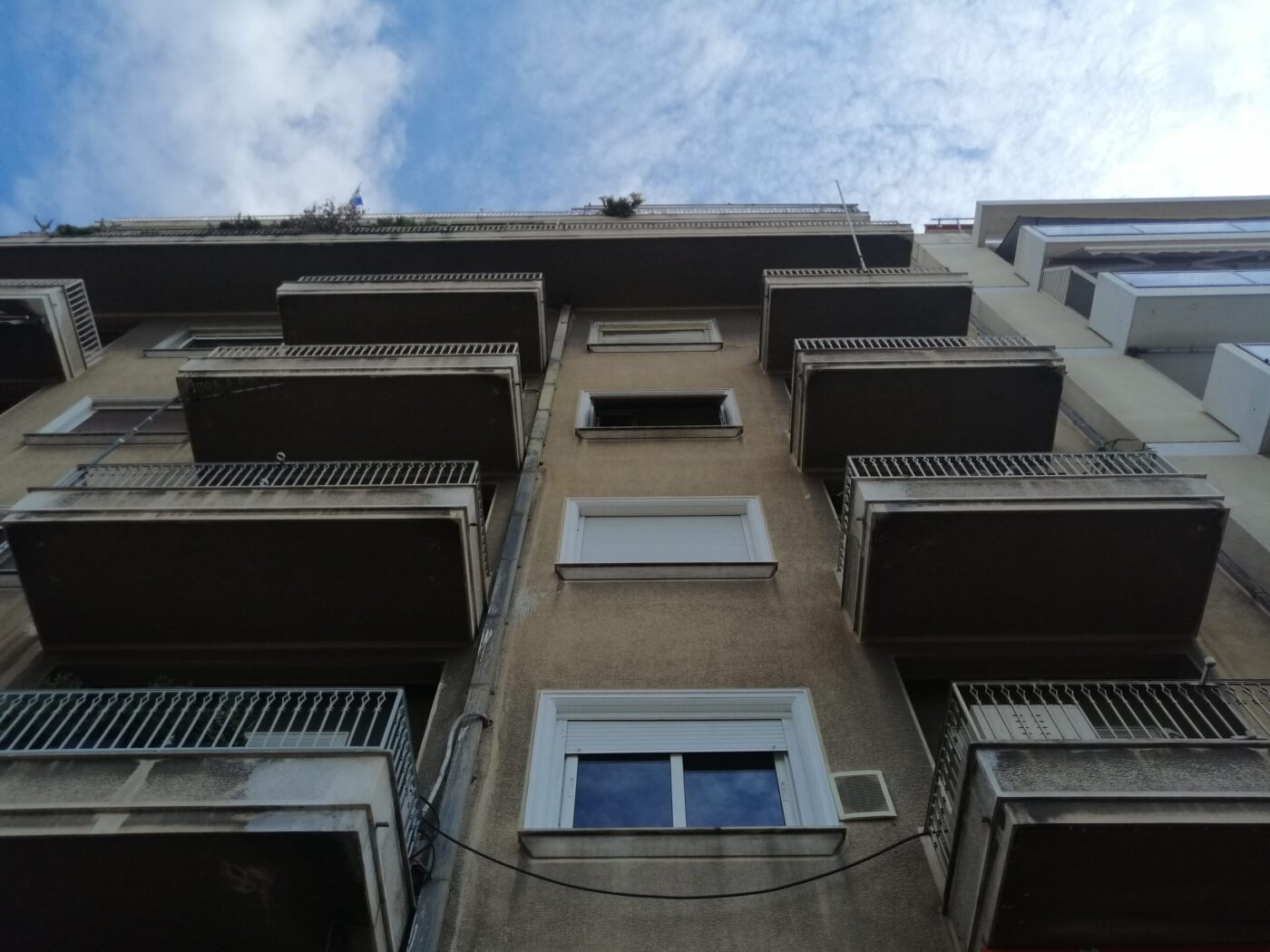
Segregation patterns and deprivation areas in Athens 2011-2021
This project investigates the restructuring of the social geography of Athens during the 2010s. Important events of the past decade – the sovereign debt crisis, the refugee crisis, the rise of tourism, and the COVID-19 pandemic – have left their marks on the socio-spatial patterning of the city.
The project is implemented in three ways:
The first aim is to analyze and map socio-spatial changes in the Athens metropolitan area using the detailed data of the 2021 Census. The team explores and identifies the dynamics that have shaped the city’s urban tissue, and identifies whether socio-spatial inequality has increased or decreased since 2011.
The second aim is to use an intersectional approach involving class, gender and ethnicity. This is a contribution to prior research, which mainly focused on the uneven spatial distribution of occupational groups and forms of micro-segregation (vertical social differentiation in apartment blocks).
The third aim is to propose an international comparison using two case studies: a) three different housing systems and their resilience across time in Athens, Vienna and Belgrade, and b) ‘touristification’ in Athens, Naples and Lisbon.
The proposal is anchored in international debates about real estate markets, urban renewal, gentrification, housing accessibility, and their effects on socio-spatial transformations in large metropolitan areas during the last decades. Eventually, the outcome of this project intends to support policies to improve living quality in the city, in addition to advancing relevant international debates.
Duration: 2023-2025
Funding: HFRI
Principal investigator: Stavros Spyrellis
Research Team: S.Spyrellis, P.Baltas, G.Kandylis, K.Vezyrgianni, T.Maloutas, I.Polyzou, D.Siatitsa, D.Balabanidis, N.Miofa, F.Vatavali, N.Klironomos, K.Papagiannopoulos
Website: https://www.sedeproject.eu/